Linnea Jones – Realtor

Windermere Real Estate / Northeast, Inc.

Market Update

No comments

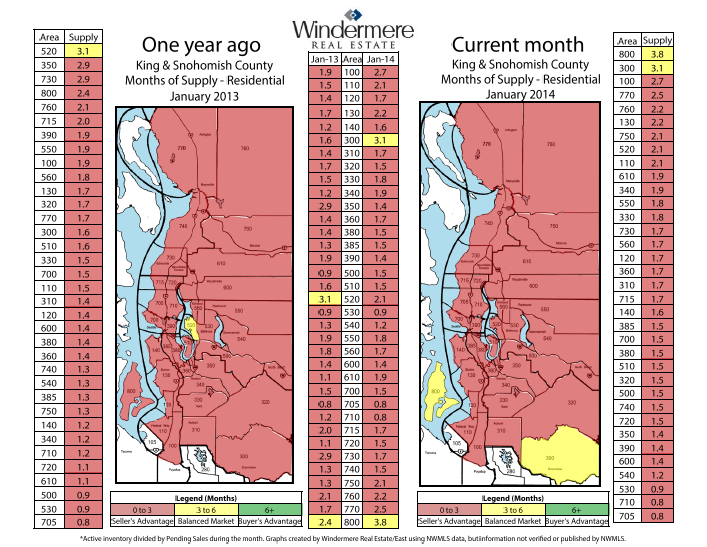
As the real estate market continues its recovery I wanted to show you some useful statistics for our region. In short, housing prices remain under upward pressure due in part to a chronic shortage of homes available for sale.

Builders in our area simply cannot build enough homes to keep up with demand. Demand is strong in our region because it is such a desirable place to live and work. Analysts expect this trend to continue throughout the next couple of years.

I’ve attached charts showing the current status of the Puget Sound area market. Homes are selling very quickly and prices are increasing. If you or someone you know is thinking of buying or selling, now is a great time to get in on the action.

Click on the charts below for full view.

image

image

Something to consider: a good money market account returns about 1% APY. How does this compare to your real estate investment?

Holiday Safety

No comments

The holidays are a great time to celebrate and enjoy friends and family. Decorating and cooking create amazing memories for everyone. As you begin decorating it’s a good time to inspect your lights and decorations with safety in mind.

Because I care about you I’ve included a page of safety tips to ponder (below).

Can you spot the problem with this picture?


clip_image002[6]


Holiday Home Safety Tips:

Lighting

  • Use caution with decorations and, whenever possible, choose those made with flame-resistant, flame-retardant and non-combustible materials.
  • Keep candles away from decorations and other combustible materials, and do not use candles to decorate Christmas trees.
  • Carefully inspect new and previously used light strings, and replace damaged items before plugging lights in.
  • Do not overload extension cords.
  • When possible, replace lights with new LED ones. They operate at cooler temperatures and are less likely to start a fire.
  • Don’t mount lights in any way that can damage the cord’s wire insulation. To hold lights in place, string them through hooks or insulated staples–don’t use nails or tacks. Never pull or tug lights to remove them.
  • Keep children and pets away from light strings and electrical decorations.
  • Never use electric lights on a metallic tree. The tree can become electrified from faulty lights, and a person touching a branch could be electrocuted.
  • Before using lights outdoors, check labels to be sure they have been certified for outdoor use.
  • Make sure all the bulbs work and that there are no frayed wires, broken sockets or loose connections.
  • Plug all outdoor electric decorations into circuits with ground-fault circuit interrupters to avoid potential shocks.
  • Turn off all lights when you go to bed or leave the house. The lights could short out and start a fire.

Decorations

  • Use only non-combustible and flame-resistant materials to trim a tree. Choose tinsel and artificial icicles of plastic and non-leaded metals.
  • Never use lighted candles on a tree or near other evergreens. Always use non-flammable holders, and place candles where they will not be knocked down.
  • In homes with small children, avoid decorations that are sharp and breakable, and keep trimmings with small removable parts out of the reach of children.
  • Avoid trimmings that resemble candy and food that may tempt a young child to put them in his mouth.

Holiday Entertaining

  • Unattended cooking is the leading cause of home fires in the U.S. When cooking for holiday visitors, remember to keep an eye on the range.
  • Keep matches and lighters up high, out of sight and reach of children (preferably in a locked cabinet).
  • Test your smoke alarms, and let guests know what your fire escape plan is.

Courtesy of Linnea Jones – Windermere Real Estate / Northeast, Inc.

425-765-2211

This information is adapted from various sources and should not be relied upon as definitive or authoritative. Reader should seek professional advice before proceeding.

P.S. Save the date for the Santa Party at my Windermere office.

Saturday, December 7th 10:00 AM to 3:00 PM

Free pictures with Santa – Crafts for all ages – Live music

Hotdogs, Cookies, Cider, Hot Chocolate, & ESPRESSO

Insured?

No comments

If you are like me, insurance is easy to take for granted. After we buy it, we don’t think about it much.

We recently sat down with our insurance agent to review our policies and were surprised at how many changes we needed to make. We insure our cars, business, home and rental properties. We found we needed to make adjustments in a few areas, asked a few ‘what if’ questions and learned more about how our coverage works. It was time well spent.

In our ‘online’ world it’s easy to try to bypass ‘brick and mortar’ businesses and real live agents in an effort to save money. But we found our agent was indispensable, helping us understand our policy coverage and saving us quite a bit of money.

I urge you to take the time to have your policies reviewed. If you need help finding a reputable agent or company please feel give me a call.

Oh by the way, If you know anyone interested in selling or buying a home let me know and I will provide them with excellent service.


Things to consider

v Liability. Homeowners are at risk if uninsured workers or visitors become injured on the property. Make sure you are comfortable with the limits your policy provides, you may be able to extend this coverage with an affordable Umbrella policy.

v Umbrella Insurance. Umbrella policies are designed to extend liability to the insured. We maintain one for our rental properties and one for our business. These policies cover liability claims that exceed those of our regular policies for home and auto. Some injuries these days can have staggering costs for medical and rehabilitation and these costs can go way over the standard liability coverage.

v Renters Insurance. Renters and Landlords should consider the benefits of a renter’s policy. A landlord should encourage and can require tenants to obtain these affordable policies (as little as $10 per month). Tenants can cover their belongings and liability. A relative of mine was delivering a package to a rental home and was bitten by a viscous dog. The tenant had no insurance so the tenant is exposed to considerable liability which could flow through to the landlord.

v Structure Valuation. Insurance provides for the cost of replacement if a home incurs a loss such as a fire. This replacement cost is tied to construction costs, not the assessed or appraised values of the home. Be sure to review this with your agent as these costs change over time. We found that one of our rental properties was underinsured and one was overinsured.

v Water losses. It can be very useful to have someone regularly inspect the nether regions of your home such as crawlspaces. If a slow water leak does damage over a long period of time, it may not be covered. Sudden leaks from a faucet for example will probably be covered.

v Personal property loss. Imagine trying to remember each item in your home to make a list for the insurance adjuster following a fire. Most people don’t do well with a task like this especially following a tragic event. Consider photographing every room from many angles and uploading them to the Cloud (Internet Storage) so they can be accessed from another location. Our insurance company provides this service at no additional charge along with forms to use to list your items if you choose.

v Other. This is a quick list to get you thinking, there’s much to consider so I urge you to spend some time with your agent. Other items to discuss are; earthquake insurance, flood insurance and special riders for those million dollar heirlooms.

Dear friend,

There’s nothing quite like natural light to change the feel and functionality of a home. Adding a skylight to a room can transform a room from dull to spectacular and in today’s energy conscious world; skylights can be a real energy saver too.

clip_image002Skylights come in many forms, from simple bubbles to high-tech lights with motorized shades that open and close on their own. There’s even the innovative and inexpensive solar tube for those awkward areas. Consider what a skylight can do in your home to bring in natural mood-enhancing light and add that special feel.

As always, I am available to help assess the impact a skylight can have on the marketability of your home or help find the right product or professional.

Oh by the way, If you know anyone interested in selling or buying a home let me know and I will provide them with excellent service.


Skylights

Skylight Styles. Today’s manufacturing allows for skylights to be made into virtually any shape with a wide variety of options including motorized shades, automatic dimming, rain sensors, automatic venting and more. Home centers offer simple rectangular, fixed lights typically made of plastic; however custom lights are available in plastic and glass. Glass offers better durability and the ability to include UV filtering to preclude fading of furniture and carpeting. Glass skylights must be tempered safety glass. They can be ‘fixed’ in place or hinged to allow them to open for venting. Builders can even make them on-site during construction using tempered glass panels or Plexiglas. Solar ‘tubes’ are also available as do-it-yourself kits or professionally installed. Tubes have the ability to channel light rays from one location to another even along a curved pathway.

Placement. Skylights are great solutions for just about any room in the home. Some of the most popular locations are the kitchen, entry and hallways, bathrooms, walk-in closets and offices. In many areas, skylights can preclude the need for artificial light altogether and enhance the quality and quantity of light. This can be especially useful in closets and bathrooms where natural light helps with clothing selection and makeup application.

Solar Tubes. Solar tubes are a great innovation allowing for amazing flexibility to channel light into those hard to access places like hallways and bathrooms and even showers. Do-it-yourself products typically include ‘corrugated’ flexible tubing which is usually less efficient than professional ‘straight sided’ tubing. Some tubing systems have special trims that incorporate artificial lights in the trim for use at night.

Special Features. Forget the old hand crank, todays skylights can be fitted with motorized cranks to open for venting or draw a shade. Some advanced product use special glass that dims at the touch of a switch.

Installation. Typically installation should be done by a licensed, qualified contractor with experience. Most pre-fabricated skylights have factory installed curbing and flashing which virtually eliminates leakage as long as they are installed properly. When determining where to locate the skylight, avoid structural components of the roof and ceiling. Even if there are structural components in the way, qualified contractors may be able to re-work the structure to retain its integrity. Avoid site-built skylights using sealants as they tend to break down and leak over time. Don’t forget to consider how much light will be pouring through. South-facing windows can bring excess solar heat during the summer months making the space uncomfortable. z

Courtesy of Linnea Jones – Windermere Real Estate / Northeast, Inc.

425-765-2211

This information is adapted from various sources and should not be relied upon as definitive or authoritative. Reader should seek professional advice before proceeding.

PESTS!

No comments

Spring is a great time to inspect your home for wintertime invasion of pests of all kinds. During the winter your home was an inviting place for critters to find warmth, food and water. Now that it’s springtime they may be planning to make your home their permanent residence, make a family and even invite friends.

Common Northwest Pests include; carpenter ants, wasps, hornets, spiders, raccoons, rats, mice, bats …

Attached is a checklist guide to use to inspect your home. Should you find you need to hire a professional, please feel free to give me a call and I can help refer you to some reputable specialists.


Pest Inspection

 Ants. Termites are not common to the Pacific NW. Carpenter ants, moisture, odorous house ants, sugar, argentine and pavement ants are. You may find them in their adult stage or their winged stages. Look for piles of fine wood (frass) and you may have found carpenter ants. Moisture ants are very small; their presence usually indicates a water source and may lead you to a leak. Another small ant is the sugar ant found in cabinets where food is available. Pavement ants are found at the margins of patios, foundations, driveways. You may note small mounds of dirt near a crack. Spraying adult ants is usually a waste of time and product, the only real way to treat ants is to get at the colony and kill all of them.

 Bed Bugs Unfortunately bed bugs are becoming more common even in clean homes. Look for blood stains on bedding, red spots on your body. Check in the seams of beds, the critters can also hang out in the walls near beds where they find their hosts.

 Bees, hornets, wasps, yellow jackets. Check your eaves for paper-like cones made by wasps and yellow jackets. Bees can make their hives inside the walls of the home or in trees or other structures near the home. Hornets often make their nests in the ground. Except for wasps and yellow jackets removal of these pests is best left to a professional.

 Rodents; rats, mice can enter the home through very small entry points. Rats and mice are near-sighted so they tend to run along baseboards or backsplashes. Look for feces that appear like brown rice, the size of the feces is a clue to determining if you have rats or mice. Also look for rub spots on corners where they rub their fur. Attic spaces and crawl spaces should be inspected. Make sure all vents are properly installed and check for chewing marks.

 Birds Swallows love to nest in eaves and small birds love perches where they can nest. All forms of birds can find your home inhabitable and usually require removal by a specialist who knows their unique habits.

 Beetles, especially wood boring beetles can be very destructive and difficult to treat. Look for small bores in wood that is near or in contact with soil. The damage seen on the outside can be a small indicator of the damage inside posts and walls.

 Spiders weave their webs and catch flying insects and therefore are generally useful in keeping the population of gnats and mosquitos down.

 Raccoons and other large animals can enter through garages, gable vents and even through an inadvertently open door. Leaving the garage door open at night can invite many critters including coyotes and neighborhood dogs and cats.


This information is adapted from various sources and should not be relied upon as definitive or authoritative. Reader should seek professional advice before proceeding with any repairs.

Spring cleaning time is here. Many of us are noticing the window streaks and cobwebs and have plans for a fresh start, but what about all those unwanted items and old documents? I thought I might provide some helpful resources and information.

The following generally take good used and new clothing, furniture, and small household items. Visit the websites for details.

· Salvation Army, salvationarmy.org

· Northwest Center, nwcenter.org

· Community Services for the Blind, donateCSB.org

· Children’s Hospital, seattlechildrens.org

For large appliances: Jaco, jacoinc.net 1-800-414-5072

For information on how long to hold paper items see the attached list and don’t forget our FREE Shredding Event:

Document Shredding and Electronics Recycling

April 13th 10:00 – 2:00PM

Windermere Real Estate Parking Lot

11411 NE 124th Street, Kirkland


image

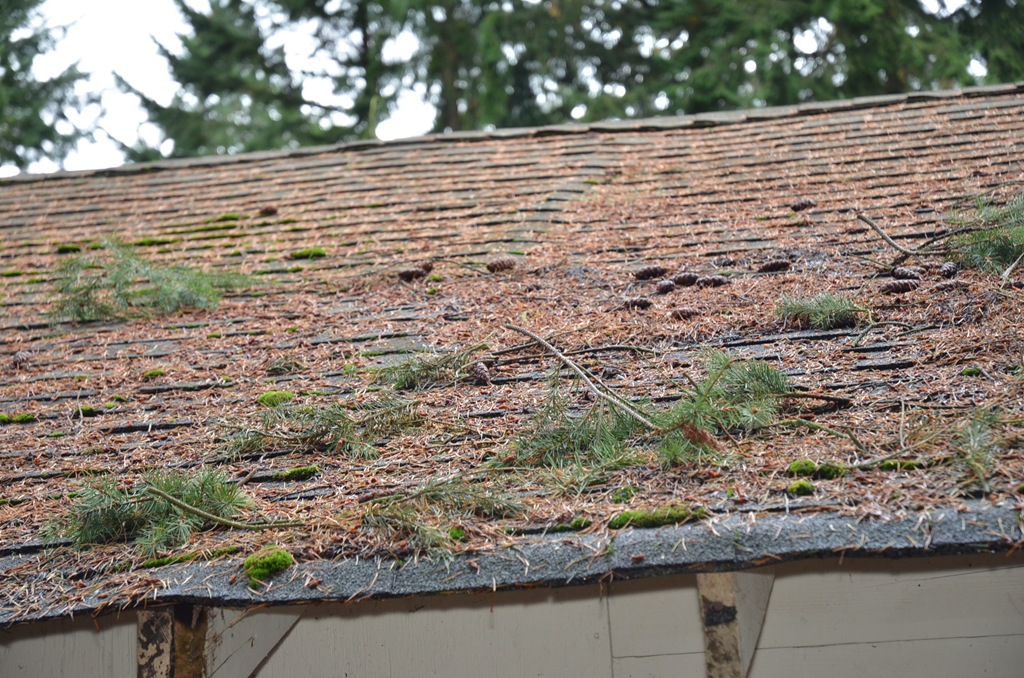
moss

The roof is arguably the most important part of the home and often the most neglected when it comes to maintenance. The Pacific Northwest climate is particularly harsh on all types of roofs. Rain, snow and wind are hard enough but the biggest threat is actually moss. Moss, if allowed to build can turn a 25 year roof into a 15 year roof. That loss can amount to thousands of dollars. The roots of moss are very tiny and they wedge into the smallest crack and over time force the crack open. Moss can build under the edges of the shingle, lifting it and leaving it vulnerable to the wind. On shake roofs moss can clog the cracks and stop the roof from “breathing”.

Here are some tips on maintaining your roof to give it the best shot at reaching its rated life. If you need further information, give me a call and I can help.

I not only help you put a roof over your head, I help you keep it there.


Roof Maintenance

(Composition Shingles)

MOSS REMOVAL

If you have a moss build up the first step is to kill it. Using the right product can kill the moss to the root allowing it to release the moss mat with minimal force. Trying to remove actively growing moss can damage the roof.

· Pressure washing. Never use a pressure washer; it can ruin the roof by removing the protective granules.

· Air pressure. Using a leaf blower or pressure nozzle can work well to dislodge chemically killed moss. Be careful to blow with the grain of the roof. Blowing against the edge of the shingle can lift and destroy. Gentleness with repeated effort works best.

· Broom. A stiff bristled broad broom can be used to gently dislodge moss without harming the granules.

· Chemicals. Most moss killers use zinc or copper oxide. They can be applied in powder or liquid form. The best time to apply it is just before the rain begins. Follow the instruction on the product. Products that kill moss in lawns should not be used on roofs and visa-versa. Allow plenty of time for the product to work before trying to remove the moss manually.

· Moss Stains. A product called Wet and Forget is very effective in removing moss and mildew stains but it needs to be applied when the roof is dry and will remain dry for 48 hours.

SHINGLE CARE

· Annual application of moss killing chemicals can go a long way to increase the life of your roof.

· Applying Tide laundry detergent may seem like an inexpensive alternative but don’t be fooled, Tide can make the roof look better and bleach the moss but it doesn’t effectively kill moss. (great for shirts though)

· Inspect the roof annually. Identify and repair loose or lifted shingles. Use mastic to re-seal lifted shingles.

· Check for exposed fasteners (nails) and cover with roof mastic.

INSIDE THE ROOF

Improperly vented attic spaces can seriously harm the life of the roof. Summertime temperatures can climb to temperatures that can harm asphalt shingles. Check to ensure that roof vents and soffit vents are unobstructed so air can properly circulate throughout the space. Adding power venting may seem like a good solution but it can actually interrupt the proper circulation patterns provided by soffit venting. Check with a professional before adding gable vents.

FLASHINGS, JACKS, VENTS

All roof penetrations for plumbing vents or air vents need the proper boot or ‘jack’. Many jacks are made of rubber, and over time, rubber can crack and leak. Inspect the jacks for cracking and make sure they appear properly installed. Whenever a fastener is used to secure a jack, that fastener is a potential leak. Use mastic to cover all nail heads.

*CAUTION. Be sure to use all appropriate safety precautions when climbing on the roof. Use proper tie-offs and harness. If you prefer to hire a licensed, bonded and insured professional please contact me for a referral.

Courtesy of Linnea Jones – Windermere Real Estate / Northeast, Inc. 425-765-2211

Fall Forward

No comments

Fall Forward

It’s hard to imagine that summer is just about over. Kids will be going back to school, vacations are coming to an end and fall is just around the corner.

For me September is a magical time. We still get some warm weather, fall colors begin to appear and people are re-engaging in business and school. I love it.

Don’t let these warm days go to waste, it’s a great time to think ahead and get ready for the fall while it’s still warm and dry enough to do outdoor work. I’ve included a list of fall projects along with a list of regional events to get in some fun after working on the house.


EYE ON THE MARKET

Some might call this a perfect storm: shrinking inventory, historically low interest rates and in some areas, rising prices. Consumer confidence is up across the board so it’s no surprise to feel genuinely optimistic about our rebounding housing market.

August marked the third consecutive month where the number of closings topped figures unseen since September 2007. Pending sales jumped up from a year ago and there’s double-digit increases in the volume of mutually accepted offers. If there’s such a thing as a win-win opportunity, the time is now!

For sellers, it’s especially important to price and position your home correctly from the get go. Low inventory levels provide a front-stage opportunity for your home to get maximum attention when it goes on the market.

Prospective buyers are encouraged to seek pre-approval on a loan and become very familiar with conditions to get a home in today’s market. There’s a lot of competition for homes now, so being ready to react when you find the right one for you is mission critical.

Times like this emphasize the importance of consulting your trusted real estate advisor. Unrealistic expectations for both buyers and sellers cause frustration, and can be avoided when you are properly informed about how the local market is adapting to the shift taking place. There are still fantastic values to be captured. Give me a call. I’d love to hear from you.


FALL MAINTENANCE

Take time to prepare for Fall with this helpful checklist:

· Inspect your furnace or heat pump to make sure it is clean and in good condition so that it can achieve maximum efficiency.

· Schedule to have your chimney cleaned.

· Clean your gutters and downspouts throughout the fall season.

· Repair any window cracks or holes in weather stripping or caulking.

· Check to make sure your thermostat works properly.

· Check crawlspace for flooding after the first long rainfall.

· Make sure you have new batteries in all your flashlights and that they are easily found around the house.

· Have your lawn-irrigation system professionally drained.

· Turn ON gas furnace pilot light.

· Make sure you have adequate insulation in attic and crawlspace.

· Continually check your air vents to make sure they aren’t blocked.

· Clean out the bathroom fan/filter.

· Test all smoke detectors and carbon monoxide detectors.

· Make sure you have at least one fire extinguisher on each floor and in the garage.

· Make a fire escape plan for your house and make sure you review it with all family members.

· Disconnect garden hoses and drain water still in faucets. If you don’t have frost-proof faucets install insulated faucet covers. Give me a call if you need some and I’ll drop them off.


EVENT CALENDAR

September Events

1-3 Bumbershoot

bumbershoot.org

7-9 Mukilteo Festival

mukilteolighthousefestival.com

7-9 Puget Sound Bird Fest

pugetsoundbirdfest.org

7-23 Puyallup Fair

thefair.com

8 Newcastle Days

newcastledays.com

8 PAWSwalk – Seattle

paws.org/events

8-9 Aki Matsuri Fall Festival

enma.org

9 Edmonds Classic Car Show

edmondswa.com

9 Kirkland Concours d’Elegance

kirklandconcours.com

12-16 Boats Afloat Show

boatsafloatshow.com

14-16 Sheepdog Classic Vashon Island

vashonsheepdogclassic.com

15 Pioneer Days – Arlington

stillymuseum.org

21-23 Fremont Oktober Fest

fremontoktoberfest.com

23 Oyster Run | Anacortes

oysterrun.org

29-30 Festa Italiana – Seattle

festaseattle.com

29 Classic Car & Truck Show

piercecountywa.org

30 Classic Car & Hot Rod Display

cityofsnohomish.com

For additional events and day trip ideas, please visit: experiencewa.com
Know your Stuff!

Imagine the nightmare of having your home damaged, destroyed or burglarized. Then, to make matters worse, imagine trying to remember all of its contents for insurance and replacement purposes. Sadly thousands of Americans find themselves in this situation every year. Insurance companies will require proof of loss especially of more expensive items so documentation is imperative. A simple area rug can cost $50 or $5,000 for an expensive import. Guess which one the insurance company thinks you own?

For most of us, the prospect of documenting our possessions seems quite daunting so we procrastinate. It’s a good idea to complete this task soon so I’m here to help.

Attached is a starter guide for building your own inventory or you can visit WWW.KnowYourStuff.org for a FREE online solution for documenting your stuff.


HOME INVENTORY

GETTING STARTED

There are many ways to create a home inventory. It may seem hard at first to record information about everything you have in your house, but don’t let that put you off. First, decide on a way to make an inventory that works for you. You can do it room by room, category by category (furniture, electronics, etc.), from newest items to oldest or from most expensive purchases to less expensive ones.

TAKING INVENTORY

There are different ways to making your list. You can write everything down in a notebook or you can take pictures. If you have a video camera, you can walk through your house filming and describing the contents at the same time. Take close-ups of model/serial numbers of more expensive items. Remember to open drawers and cabinets. Don’t forget more commonplace items such as toys, CD’s and clothing.

In some cases make your list by the room in which they are most likely to be found. In other cases, they can be grouped together by category. For items like books, CDs, sheets or pots and pans, you can make a general estimate of how many you have and their estimated value.

Keep receipts when they are available and note the cost for the item, when you bought it and other information about the make and model. Expensive items like jewelry and art work may need to be insured separately. Ask your insurance agent whether you need a floater for your homeowner’s policy.

STORING INVENTORY

Store a copy of your inventory in a safe place outside of your home—with a friend or in a safe deposit box. (If your inventory is electronic, store it offsite on a cloud storage site like Mozy.com or MyPCbackup.com. Many of these sites offer free storage up to a certain amount.) That way you’ll be sure to have something to give your insurance representative if your home is damaged. Also, whenever you make a significant purchase, remember to add the information to your inventory while the details are fresh in your mind.

BIG TICKET ITEMS

Make note of expensive items, such as jewelry, furs, and collectibles. Valuable items may need separate insurance. If the item has a UPC code on it, photograph it. These days technology allows you to look the item up online.

OTHER OPTIONS

If all of this seems too complicated, you can sign-up to use free online software that makes creating and keeping a home inventory easy at www.KNOWYOURSTUFF.org. This is an insurance industry sponsored website designed to help make inventory keeping easy, you can even share it with your agent or insurance company in the event of a loss. Another option is to hire an accredited professional to do all the work for you.

Courtesy of Linnea Jones – Windermere Real Estate / Northeast, Inc. 425-765-2211

Information adapted from the Insurance Information Institute

Killer CO!

Carbon monoxide alarms are now required. Effective April 1,2012 RCW 19.27.930 requires the seller of any owner occupied single family residence to equip the residence with carbon monoxide alarms in accordance with State building code before a buyer or any other person may legally occupy the residence following the sale. This requirement applies to all single family homes, condominiums and manufactured/mobile homes. There are no exceptions for properties that do not have fuel burning appliances or an attached garage.

It’s a good idea to install a detector even if you aren’t planning on selling especially if you have a gas furnace, wood stove or fireplace. Today’s energy efficient homes help keep heat in AND dangerous gases. A brand new furnace can leak CO (carbon monoxide).

More information below…

If you would like a FREE CO alarm, I have some available for my clients, call me to get yours before they are gone!


CO Alarms

Carbon monoxide is produced from incomplete combustion of fossil fuels.

In the home CO can be formed, for example, by open flames, space heaters, water heaters, blocked chimneys or running a car inside a garage.

CO is colorless and odorless.

What to buy. CO alarms vary in cost and function. Some manufacturers combine smoke detectors with CO alarms. In my opinion, this is not a good idea. CO alarms will not necessarily last as long as a smoke detector and the technology is still evolving. As more and more units are sold the price will continue to drop and the quality will rise. Plan on being able to buy a cheaper and better detector in the coming few years.

Most detector/alarms come with a digital display that can display the amount of CO detected and how much life is left on the unit. Some are strictly powered by battery while some are powered by an outlet with battery backup. I prefer the safety of both power sources.

Where to install. Carbon Monoxide is a gas that mixes with air, it can be found up high and down low. Units that plug in will be as effective as those installed on the ceiling or wall. Avoid placing the unit in corners where air movement is minimal.

For best protection install one unit in each occupied bedroom, one near combustion sources like furnaces and one near the garage door. When only one alarm is installed in the home, it should be located near the sleeping areas so it can be heard. Install one on each level. Follow the manufacturer’s recommendations.

How to maintain. Replace the battery every year even if it seems to be good.
All batteries lose power over time; a new battery will deliver a loud alarm for a long period of time. Simply pressing the test button will not ensure that the alarm will sound when needed. In fact ‘testing’ serves to drain the battery. When replacing the battery take note of the reading (on models that show the level) and chart this over time to help determine if a problem is developing.

Courtesy of Linnea Jones – Windermere Real Estate / Northeast, Inc. 425-765-2211