Linnea Jones – Realtor

Windermere Real Estate / Northeast, Inc.

Alarms serve a very important role in our everyday lives, leaving us free of worry. Our homes are filled with alarms that alert us of smoke, fire, fluid levels and deadly gases. Prior to the 1980’s homes did not have smoke detectors, today virtually every home has one or more and countless lives have been saved.

CO (Carbon Monoxide) detectors will soon be required in homes with heat sources. CO is a deadly odorless gas that is the product of combustion. Many lives are lost each year primarily due to improper use of propane heaters, BBQ’s and automobiles. I recommend installing a CO detector in your home near the sleeping quarters especially if you have an older gas or oil furnace.

Here’s some information about other alarms in the home, tips for maintenance and suggestions for helpful products.

Alarms for the home

Smoke Alarms. Replace batteries every year even if they still work, the battery needs to have enough juice to sound a long and strong alarm. Install one in every bedroom and living area. When installing new alarms be sure to test them, I had new alarms installed in a rental home but it turned out the contractor did not test them. The batteries had been installed by the factory but were not connected. Fortunately we discovered this before there was a fire.

Burglar Alarms. Wireless technology has made burglar alarms cheaper and easier to install. In most cases you can save money on your homeowners insurance if you install an alarm with monitoring. Newer alarms can be controlled from your cell phone!

Water level alarms. Many homes have sump pumps in their crawl spaces or basements. After years of operation these alarms can fail. Test the alarms annually and repair as needed to set your mind at ease. For sump pumps, consider adding an alarm with a battery backup so it works during power outages.

Septic system alarms. Every septic system has a water level alarm that monitors levels in the tank, if a pump fails or too much water enters the tank too fast, the alarm will go off. I suggest locating the control box and affixing the phone number of your favorite septic contractor so you don’t have to scramble if the alarm goes off. Be sure the contractor can work on your entire system, not just a pump-out service. Sometimes an alarm will sound if a toilet is running thereby adding more water to the tank than the pump can remove. Fixing the leaking toilet can save the cost of a service call.

Water leak alarms. Also known as ‘point of use’ alarms can be installed on water heaters, washers, toilets, sinks, dishwashers, ice makers and more. You can install them in the most critical areas such as washing machines where hoses wear out or install a system that includes sensors for all appliances. Many alarms can be tied into a motorized valve that automatically shuts the water off; they can also be tied into your monitored burglar alarm system to alert you while away from home.

Freeze Alarms. If you are away from home during a freeze these alarms can automatically raise the temperature in the home and if connected to a phone line, dial you up and let you control the temperature remotely. Great for cabins and second homes.

Alarms online. A good online source for alarms, sensors and information is available at www.homesecuritystore.com

Courtesy of Linnea Jones – Windermere Real Estate / Northeast, Inc. 425-765-2211
You are invited to:

Windermere’s 5th annual

Shredding & Electronics Recycling Event!

Bring your piles of papers and boxes of documents * to my office in Kirkland and have them professionally shredded for FREE! Watch the big shredding truck gobble entire boxes at a time!

Also join me for free hot-dogs, chips, drinks, etc. while enjoying the performances of Hot Dog USA, World & National jump rope champions. They will be performing and hosting a car wash fundraiser.

When: Saturday April 30th 10:00AM-2:00PM

Where: Windermere office parking lot

11411 NE 124th Street, Kirkland 98034

Directions: I-405 to NE 124th Street exit, West on NE 124th

(Office is located between Azteca and Olive Garden)


*Please bring documents in paper bags or boxes. Paper clips & staples are OK but please remove spring clips.

You can also Recycle your unwanted TV’s, Computers, Monitors, and Laptops For FREE!

Note: you should destroy your data on hard drives before recycling. If you don’t know how or don’t want to do this, ask about data destruction when you drop your computer off, there may be a nominal charge but well worth the peace of mind.

Courtesy of: Linnea Jones Windermere Real Estate 425-765-2211

Happy Grass

No comments

Dear friend,

One of the great things about life in the Pacific Northwest is the environment we have for growing great lawns. Lawns have become a big part of our urban and suburban culture and can have a big impact on the marketability of your home. Great looking lawns add value and appeal. Conversely unkempt lawns can seriously detract from a home’s perceived value at time of appraisal or sale.

Most lawns can be easily maintained by the homeowner but not without a bit of knowledge and the proper tools. Maintaining the proper soil chemistry and controlling weeds and pests can be a bit beyond the ability of the average homeowner. Most of us would benefit greatly from the advice and periodic help of a professional.

I rely heavily on my favorite professional Matt Shay of Sunrise Landscape Services 425-508-2460. Matt can do it all from full maintenance to periodic clean up. I asked Matt to put together a list of the top items to focus on to get ready for spring so I could share it with my friends.


Yours truly,

Linnea Jones

425-765-2211

Oh by the way, if you or someone you know could use some help with Real Estate or home repairs, just call me with their name and number and I’ll be happy to help them (but I won’t mow their lawns).


Some tips for your Northwest lawn before Spring begins

  • Servicing your lawnmower annually is highly recommended. There’s nothing quite so frustrating than to have a half-mowed lawn due to a breakdown. If you’d prefer not to service it yourself, get it done now. Don’t wait until everyone else is taking their mowers for service as this may cost you valuable time waiting in line. Make sure the blade gets sharpened. A sharp blade is important for lawn health.
  • Walk the entire turf area. Check for winter damage, excessive thatch and moss as well as lawn weeds. Also check for large divots which can be angle twisters. Fill those with good earth and seed around the beginning of April.
  • Thatch- As a rule of thumb thatch needs to be removed once it has built to a depth of one inch. Some thatch is actually good for your lawn as it retains moisture and protects roots during the hotter months. Not all lawns build thatch at the same rate so check annually.
  • Moss- Small patches of moss can be easily treated with iron. Larger crops will need to be physically removed. Either by hand or by machine.
  • Aerate- Once a year is preferred and will be a huge benefit to overall turf health. Earth becomes compact and lawn roots will have a difficult time remaining established. The best time to aerate is now if the turf area is not too wet.
  • The first mowing can wait until turf height is 3 inches but not much higher. Try never to remove more than 1/3 of the lawn height when you mow as this will stress your lawn. Try to mow when the lawn is dry. This can be hard to do but a professional landscaper with the right equipment can get it done wet or dry. 
  • Fertilize- Preferably right after the first mowing. Lawns want to be pushed and fed about five times a year. Use only high quality fertilizer. For the first feeding I would recommend a 60% slow release fertilizer with a ratio of 21-3-21. This is also a good time to apply iron if you have moss in your lawn. Use the proper ratio’s throughout the year.
  • Enjoy!!!  Take pride in your hard work. Lawns are hard work, no doubt about it but the reward of a lush green carpet saying goodbye in the morning and welcoming home in the evening are so worth the effort.

If you have any questions about your lawn or need help with any aspect of maintenance, feel free to give me a call. I’m always willing to help.

-Matt Shay, Sunrise Landscape Services 425-508-2460

Courtesy of Linnea Jones – Windermere Real Estate / Northeast, Inc. 425-765-2211

When you stop to think about it, the toilet is one of the most significant inventions of all time, it’s an important symbol of modern civilization. It can also be the source of a lot of frustration and even damage our homes.

Have you been taking care of your porcelain friend? If not you may be wasting money and setting yourself up for expensive repairs. Enclosed is a checklist for performing maintenance and repair on your friendly toilet.

I know it’s a delicate subject but if you can’t trust your realtor to talk about it who can you trust?

Oh by the way, if you or someone you know could use some help with Real Estate or home repairs, just call me with their name and number and I’ll be happy to help them (but I won’t fix their toilets).


Toilet Maintenance

  • Replace the wax ring. Water can leak into the sub floor if the ring has failed. This can cause dry rot. To test, straddle the toilet and rock your body weight back and forth. If the toilet water moves, the floor may be compromised.
  • Check the flange bolts. They hold the toilet to the floor and keep pressure on the wax ring to seal out water. Grasp the bowl and rock it back and forth if there is any movement in the water, you may have loose bolts. Tighten or replace as necessary.
  • Check the bolts holding the tank to the bowl. If there is excessive movement, carefully tighten them until they are snug. Don’t over tighten as you may crack the porcelain.
  • If the toilet is not flushing easily consider the following causes;
  • Something may be lodged in the discharge channel
  • Water level in the tank is too low. Each toilet is designed around a specific amount of water.
  • A dirty toilet & discharge channel can slow the flushing action. This is also true for the holes under the rim. You may need to use a strong commercial product.
  • Water leaking from the tank into the bowl can be very costly. If you see the water in the bowl rippling, it’s leaking. Check the flapper, flush valve settings & float settings. Be sure settings stop the water level below the overflow. New flush valves and flappers are fairly easy to install by a homeowner.
  • Toilets are cheap! Sometimes it’s cheaper & easier to just replace the entire toilet. New toilets also save water.
  • Get advice from your local ACE or McClendon’s hardware store. They employ highly trained experts and their advice can save a lot of money and time.
  •  ___Call Linnea for a referral to help with this list_______

Courtesy of Linnea Jones – Windermere Real Estate / Northeast, Inc. 425-765-2211

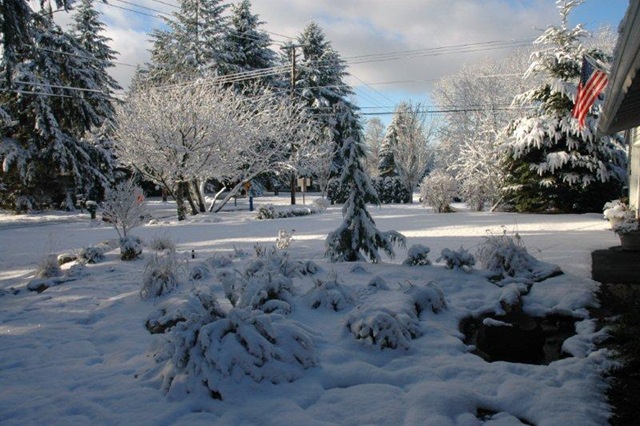
Winter forecasts are all over the map. It doesn’t really matter what the forecasters say we all know we will need to deal with the cold and wet that always defines winter in the Pacific Northwest. The forecast for this winter also includes lots of snow. For those who remember the 2007-2008 winter, being ready for snow is not an option.

The Old Farmers Almanac Annual Weather Summary:
November 2010 to October 2011

Winter temperatures will be slightly above normal, on average, with slightly below-normal precipitation but above-normal snowfall in most places. The coldest periods will occur in mid-December and mid- to late February, with the snowiest periods in mid-December and late February.

Attached is a checklist to help in getting ready for those winter snowstorms.

To help with this years weatherization I made a bulk purchase of faucet covers. Give me a call and I’ll bring you some for FREE!

DSC_3338 

_________________________________________

Snow Strategies

  • Assemble or replenish your emergency kit including batteries, three days of food and water, emergency radio, portable cell-phone charger or land line and phone.
  • If snow is in the forecast stock up on prescriptions, diapers, formula and batteries.
  • Check board games and get wood for the fireplace. (S’mores are optional)
  • Test generator and stock up on fuel. Be sure to keep fuel stabilizer on hand.
  • Stock up on ice melt pellets and / or sand. Buy a snow shovel.
  • Check the structural strength of roofs, carports and outbuildings. Add bracing.
  • Check roof and roof penetrations for leaks, loose screens (keeps the pests out)
  • Assure that gutters are firmly attached to the eaves as snow can pull them off.
  • Route downspouts so that water runs away from the foundation.
  • Close and drain hose bibs. Drain and store hoses. Insulate hose bibs.
  • Remove loose branches from trees; consider having an arborist review the condition of all your trees for wind / snow worthiness.
  • Trim any tree branches near or touching roof or gutters.
  • Remove accumulated snow from ornamental shrubs and trees like Arborvitae.
  • Trim plants to leave a foot of clear space between plants and house.
  • Mark the ends of your driveway with tall stakes.
  • Stow outdoor furniture and toys.
  • Check all exterior caulk, repair as needed.
  • Examine weather-stripping, repair as needed.
  • Clean out basement window wells, clear and secure crawl-space vents.
  • Schedule heating system check-up (change those filters 3-4 times each year).
  • ___Call Linnea for a referral to help with this list_______
  •  ______________________________________________________________
  •  ______________________________________________________________

Aside from artificial governmental inducements like tax credits, rebates and mortgage bail-outs, the raw underlying fundamentals of housing economics actually remain quite strong. For those seeking housing for old fashioned reasons and long term investment, home buying today appears to still be an incredible opportunity.

Will home prices continue to fall? According to the Fiserv Case-Shiller Indexes the bottom is near and by early 2014 Seattle area home prices will have climbed about 25.5% percent from 2010 levels. Bremerton – Silverdale is expected to grow at 44.7% and is considered the number one strongest housing market in the country for the time period.(2)

Experts say that nationally we need to add 1,300,000 new housing units each year just to keep up with population growth. In 2009, builders built approximately 550,000 single family homes. According to forecasts.org the pace of building for 2010 has been steady at an annualized rate of 546,000 through August. They expect the rate will remain similar throughout the first part of 2011. This means that we have suffered a cumulative shortfall of home building of approximately 1,500,000 homes in just two years! Forecasters expect the shortfall to continue for at least the next year. A supply / demand ratio imbalance is forming.

New Privately Owned Housing Units Started. Thousand Units Annual Rate. (1)

U.S. Housing Starts

Forecast.com also predicts that interest rates will continue at the current low 4 – 5% range through at least the first quarter of 2011. Housing affordability is good.

30 year Conventional Mortgage Interest Rate forecast (1)

Mortgage Interest Rate

Certainly, unemployment and other bad economic factors are a drag on the recovery but many economists still think we have seen the worst for the housing market. It’s good to remember that more than 90% of Americans have a job, America still manufactures more than any other country in the world. Never bet against the American economy.

(1) Charts and statistics courtesy of http://forecasts.org.

(2) Housing Markets That Will Be Strongest by 2014 By Venessa Wong, Bloomberg Businessweek

Aug 4, 2010 http://realestate.yahoo.com/promo/housing-markets-that-will-be-strongest-by-2014

Garage \Ga`rage”\, n. [F.] an outbuilding (or part of a building) for housing automobiles

Is your car homeless? Does the van refuse to start in the morning because you made it sleep out in the cold? This kind of vehicular abuse is rampant throughout America. Why do aunt Alice’s third set of dishes and young Tom’s unused snow skis deserve more protection than our beloved family car? Friends, this has to stop! I hereby declare August and September to be “I love my garage months”.

On the serious side, our garages need maintenance just like the rest of the home. Most garages contain important equipment and systems that easily get neglected.

I’ve included a checklist to help tackle your garage project.


———————————-

Love My Garage

Every garage is different. Some are merely a storage area for the car while others include laundries, workshops and the homes heating systems. Here are some tips for sprucing up your garage.

· Garage sale. This is usually the best place to start. Many people remove everything they want to get rid of from the garage, hold the sale in the driveway and then haul the remainder to the dump or to charity. Don’t return the rest to the garage.

· Organizers and storage. With the garage empty, it’s a good time to set yourself up for success, consider adding proper storage systems to help maximize the use of your space. Cabinets from a kitchen remodel are also a good low cost solution. Store paint, thinner and other chemicals away from the door to the house and away from the furnace or water heater. Never store gasoline in the garage.

· Overhead storage and pull-down ladders. Many storage areas in garage ceilings lack the proper framing to hold a lot of weight. Be cautious about overloading. If your garage is structurally sound consider installing a pull-down ladder for easier access. You might also consider one of the many clever ceiling mounted pull-down racks available at home centers.

· Garage doors, openers and seals. Check bolts on all hinges and connectors, tighten as needed. Lubricate chains or gears and rollers. Kits for this are available at the hardware store. If springs appear weak or broken, hire a specialist to replace them. Springs are very dangerous to work on, they need to be balanced and properly handled to avoid serious damage. Replace worn-out seals to help keep weather and insects out. Side seals are often adjustable.

· Heating and cooling systems. Replace filters and have the systems serviced regularly. Keep items away from access panels and combustion vents.

· Water heaters. Place bollards in front of water heaters to keep cars from hitting them. Draining the water heater annually to get rid of sediment can extend its life. If natural gas, keep items and cobwebs away from flame area at the bottom.

· Laundry equipment. Clean out dryer vents. Sweep from behind and under to remove lint and dirt that can be easily combustible or even used by rodents for nesting.

· Floor Paint. While the garage floor is clear, consider applying an epoxy paint to dress up the floor and make it easier to maintain. This is an affordable do-it-yourself project.

· Insects, spiders & ants. Almost everybody hates ‘em! Consider using insecticide sprays and baits. Many non-toxic, environmentally safe products are available at the hardware store or local pest control supplier.

· Electrical panel. Always make sure you have a clear path to the electrical panel in case of emergency.

· Water shut-off. Sometimes there is a main water valve in the garage, keep the area clear around it.


Courtesy of
Linnea Jones Realtor®

Windermere Real Estate / Northeast Inc.

425-765-2211

Linnea@Windermere.com / www.LinneaJones.com

[Don’t miss the chart at the bottom of this article!]

Waiting for home prices to fall can be costly.

The Federal Reserve has been keeping interest rates artificially low, hoping to stabilize the economy. Economists generally agree that as the deficit grows and the government finds it can no longer continue borrowing, interest rates must rise. In a recent op-ed piece in the Wall Street Journal, former Fed Chairman Alan Greenspan said:

“Long-term rate increases can emerge with unexpected suddenness. Between early October 1979 and late February 1980, for example, the yield on the 10-year note rose almost four percentage points.”

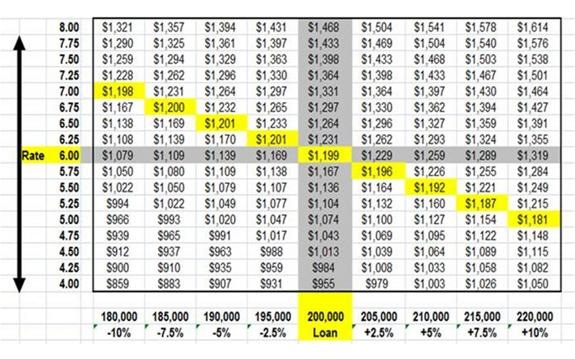
As I have said before, time is on the side of the real estate borrower or buyer. If you know anyone thinking about buying a home or refinancing the time is now! Waiting can be costly! The attached chart shows the effect of interest rates on monthly payment. Most people buy based on monthly payment not the price of the home.

Who do you know that would like to buy a home before they are priced out of the market? Please call me with their name and number and I’ll be happy to take great care of them.

Former Fed Chairman Greenspan warns http://www.johnehrenfeld.com/greenspan0225_l_719090.jpg

“Don’t Be Fooled by Today’s Low Rates”

————————————————————-

If Real Estate Prices go down by 2.5% and

Mortgage interest Rates increase by 1/4% you LOSE!


clip_image002

Courtesy of
Linnea Jones. Realtor®

425-765-2211

Linnea@Windermere.com / www.LinneaJones.com


Chart source: http://kcmblog.com/2010/01/14/how-interest-rates-affect-your-mortgage-payment/

Image source: http://www.johnehrenfeld.com/2009/03/doh.html

Many people think of their home as a safe place for themselves and their loved ones. Unfortunately, injuries occurring on residential property result in nearly 21 million medical visits and 20,000 deaths each year. It is important that you and your family be aware of potential home hazards and the ways to keep your environment free from danger.

Below is a checklist that provides ideas you can implement to make your dwelling safer, such as ensuring that you have an emergency evacuation plan and checking for recalls on potentially hazardous items commonly found in residences.

I hope that you find this information helpful. Please let me know if I can be of any assistance.


———————————————————

Home Safe Home

  • Create an evacuation plan. Review your escape routes & designate a meeting place.
  • Place a fully stocked first-aid kit in an easily accessible location. Visit Redcross.org
  • Test and replace fire extinguishers. Make sure everyone knows where they are and how to use them. Keep one on each floor and one in the kitchen.
  • Place important phone numbers including the fire department, medical assistance & poison control 800-222-1222 near each phone. Make sure kids know how to dial 911.
  • Have the chimney checked and cleaned regularly. Annually if used often.
  • Keep burning candles at least 1 foot away from flammable items. Only burn them in noncombustible materials. Extinguish before leaving home.
  • Electrical wires should not be run under carpets. Inspect cord plugs for wear or damage. Loose receptacles should be replaced. Unplug appliances not in use.
  • If children are present install safety receptacles or insert safety plugs in outlets.
  • Install smoke detectors in each room of the home. Replace batteries semi-annually.
  • If you have a gas furnace install a carbon-monoxide detector. Mount it according to the instructions, down low as CO gas is heavier than air.
  • Regularly service the furnace to ensure no safety issues develop.
  • Keep portable heaters at least 3 feet from flammable items. Unplug them when not in use.
  • Tie window blind cords with clothespins or specially designed clips. They are a choking hazard for young children.
  • Check for recalls on appliances, electronics, furniture and children’s items. Visit Recalls.gov.
  • Securely fasten heavy furniture items including bookcases, shelves, and mirrors.
  • Make sure the stove has an anti-tipping cleat installed. Put hot pans on back burners.
  • Ensure all water features and pools are fenced to protect children.
  • Safely store potentially unsafe items such as:
    • Garage tools, Automotive fluids, Pool Chemicals, Gardening products, Pesticides
    • Medications, Cosmetics, Mouthwash, Cleaners, Perfumes, Dyes & sprays
    • Kitchen cleaners, Sharp objects, Small appliances.

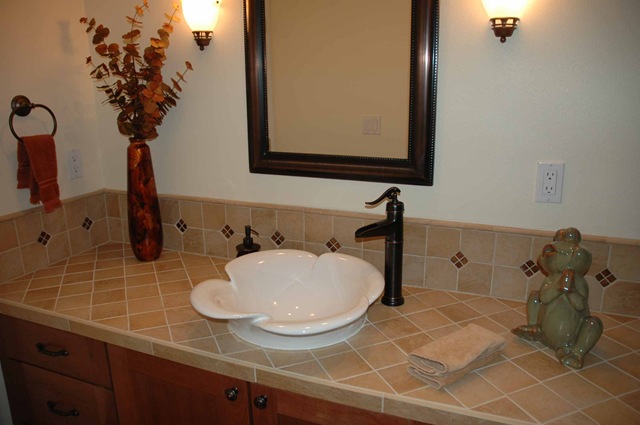
Homebuilders are courting homebuyers with the latest and greatest materials and designs forcing existing home sellers to compete both on price and aesthetics. More and more homeowners are updating their homes just to keep pace. A lot of attention is given to kitchen updates, as they are the most visible and effective places to put your remodel dollar. However in these financially tight times, it may be easier to tackle the bathrooms first.

As with any remodel project there are different levels of treatment ranging from a simple paint job to a complete remodel. No matter what level, there are certain design guidelines that can be useful. I’ve provided some useful tips that focus on a bathroom makeover.

As your trusted real estate advisor, I can be helpful with any of your envisioned home projects. I can also help you understand current trends and connect you with quality service providers including contractors and suppliers.

bath 3


 —————————————————

Bathroom Makeover Guidelines

A makeover is by far the most cost effective way to deal with an old bathroom but should only be considered if the ‘bones’ of the bathroom are in good working order. Water damage or failing systems can indicate that a full remodel is actually the most efficient and economical approach.

Step 1. Evaluate the integrity of the floors, walls, ventilation, sinks, toilets, faucets, cabinets and electrical. Rent or borrow a moisture meter to check moisture levels in shower walls, floors and areas around the toilet and under the sink. If accessible, examine the underside of the bathroom from the crawlspace. Also, look in the attic above the bathroom to see if ventilation is correct.

Step 2. Evaluate the aesthetics. If the hard surfaces; toilet, tub and sink are obsolete colors or design or if they are worn out plan on replacing or refinishing them.

Step 3. Count the cost. Make a thorough list of all materials required and cost them out at the local home store. A good rule of thumb is to double that number to get close to the real final cost. This helps account for surprises, changes and the inevitable “Ooo, I Want That!”

TIPS for cost savings and design success

  • Tubs and sinks can be refinished, either professionally or using a do-it-yourself kit from the hardware store. Good prep work is the key. I do not recommend refinishing toilets; replace them with newer water saving dual-flush technology.
  • Vanities can often be refinished. If the cabinet is solid, you’ll save a lot of money. Vanity doors can be remade. If you do this, consider matching the mirror frame to the doors. An inexpensive mirror with custom frame can be cheaper than designer mirrors.
  • Coordinate the metal finishes of the fixtures, faucets and door hardware. Most light fixtures and other metal items can be spray painted to match.
  • The light fixture you choose will be a main design element and should be carefully chosen for its impact on the overall look. Start here and you’ll save money in the end.
  • Consider the use of plank vinyl flooring. This inexpensive approach offers a variety of designs that can emulate wood or even tile. The product is low cost and can often be installed right over the existing floor.
  • Old laminate counters can sometimes be overlaid with tile or even solid surface stone saving the cost of removing and rebuilding the countertop.
  • When planning a tile job for counters or shower walls, choose an inexpensive tile and add contrasting design elements like glass tiles to make the job look expensive. Another trick is to lay economical tiles in the ‘on point’ orientation. This is a little more work but adds the look of quality. Home centers have ‘do-it-yourself’ classes and often make special buys on commonly used tiles, so watch for sales.
  • Wallpaper. Just say ‘no’.
  • Bath fans can be noisy and ugly, consider new electronic ‘quiet’ fans with lights. Like light fixtures, they can be spray painted to match other hardware. To get that antiqued look, choose a deeper mocha color and use a gold metallic over spray.

Courtesy of Linnea Jones – Windermere Real Estate 425-765-2211 or Linnea@Windermere.com