FunGUS is no FunGI
One day a dark spot appears on the ceiling, and as things go, you ignore it until it grows ugly enough to catch your full attention. You finally call your contractor friend who delivers the news, you have black mold! You feel a sense of panic until your friend calms you by saying ‘not all black mold is dangerous’. What now, do I try to test the mold? Leave it alone? Clean it up myself or hire a specialist?
Sensational news stories have given mold a bad name while at the same time raised awareness of a potentially hazardous problem. Mold growing in the base of the shower may be treated with off-the-shelf products while other molds may require major remediation by a specialist. How do we know the difference?
Below please find information to help understand the world of mold and get ideas for treatments. If you need advice or referral to a mold remediation specialist please let me know, I’d be glad to help.
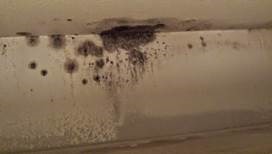
Mold and moisture in the home
What is mold? Mold is a fungus that appears in many forms throughout our world, both indoor and out. Mushrooms, moss, algae and mildew are common forms. Mold grows by spreading spores and thrives in the presence of moisture. We need mold to break down organic material of all kinds. Mold spores can also be allergens that can cause undesirable reactions in humans.
Testing. Most professionals advise that testing is unnecessary since treatment of one type of mold is the same as another.
Clean up. Mold and mildew in bathrooms and kitchens on non-porous surfaces can often be cleaned with household cleaners. Using bleach on mold may not destroy the culture but can serve to lessen the dark appearance.
Repairs. Mold on wood, sheetrock or other porous surfaces can be tricky to repair. I recommend hiring a professional to remediate mold on these surfaces as mold spores can be spread into the airspace of the home. Professionals know how to encapsulate the mold and remove it safely. These specialists can be expensive so be sure to shop around and ask for referrals to reputable contractors
Moisture. Most molds only grow in the presence of moisture so it is important to identify and repair any source of leaks, humidity and moisture. Depriving the mold of moisture can slow or even stop its growth and place it in a dormant state. Roofs should be inspected from the inside and outside on a regular basis. Check crawlspaces for water on the vapor barrier and the sub-floor around drains. Early detection can save money. Check downspouts and foundation grading to keep water away from the home.
Prevention. Ventilation in a home is very important. Bathrooms should have fans that exhaust to the outside and be used to clear humidity following bathing. Be sure to check that the exhaust does not just terminate in the attic but is routed to the exterior. Check dryer vents to be sure that all moisture is fully exhausted. Use fans in kitchens during cooking to eliminate moisture. Check the vapor barrier in the crawlspace to ensure it is complete and seamless.
For additional tips visit http://www.epa.gov/mold/pdfs/moldguide.pdf or call me for a hard copy. [ A newer law requires landlords to give this pamphlet to their tenants.]
Courtesy of Linnea Jones – Windermere Real Estate 425-765-2211

